Drug delivery systems
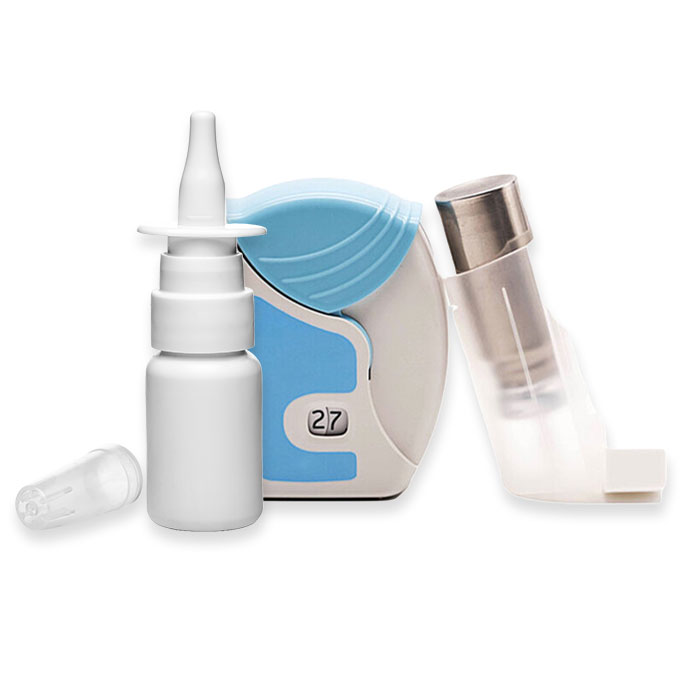
Inhalers, nebulizers, nasal drug delivery systems
These drug delivery systems require precise and reliable assembly to ensure accurate medication delivery throughout the product’s service life. Conventional thermal joining methods often introduce heat into adjacent areas, which can lead to component deformation, dimensional deviations, or stress on sensitive drug delivery mechanisms. Ultrasonic joining technology concentrates the energy precisely at the joining area, enabling strong, reproducible joints while minimizing the thermal impact on other components.
Components: Metered-dose inhalers (MDI), pressurized metered-dose inhalers (pMDI), dry powder inhalers (DPI), soft mist inhalers
Industry: Medical
Material: Polypropylene (PP)
Joining processes: Ultrasonic welding, riveting, embedding, spot welding
Benefits: High-precision, fast joining of plastics and filters
Requirements
- High leak-tightness to protect the drug
- Precise positioning of functional components
- High dimensional accuracy for reproducible dosing
- Low thermal impact on sensitive components
- Energy-efficient joining process
- High mechanical strength throughout the product’s service life
- Suitable for automated high-volume production
- Process validation and full traceability
- Consistent quality across millions of manufactured components
- Compliance with regulatory requirements for medical applications
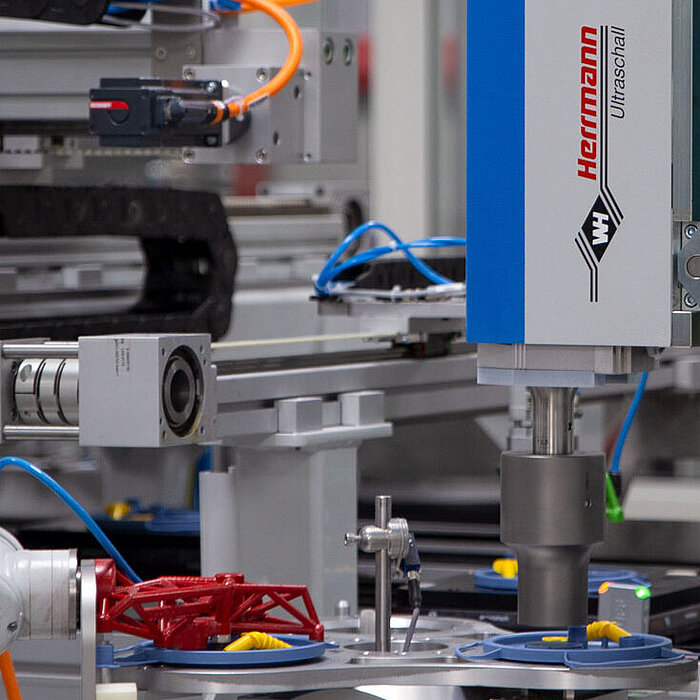
From small-batch production to scalable, automated assembly solutions
The plastic components are placed in fixtures and then welded using ultrasonic technology.
This enables:
- clean joints
- reproducible quality
- short cycle times
- automation-ready production
Why use ultrasonic joining technology for inhalers, nebulizers, and nasal drug delivery systems?
Benefits
- No adhesives or solvents
- Low thermal impact on sensitive components
- High process reliability and reproducibility
- Suitable for automated high-volume production
- Full process monitoring and traceability
Typical materials
- PP
- PE
- PC
- ABS
- PC/ABS
- COC/COP
- Medical-grade thermoplastics
Additional applications
- Dry powder inhalers (DPI)
- Metered-dose inhalers (MDI)
- Nasal drug delivery systems
- Autoinjectors
- Wearable drug delivery systems
- Diagnostic cartridges
More information & downloads
The right solutions for your application
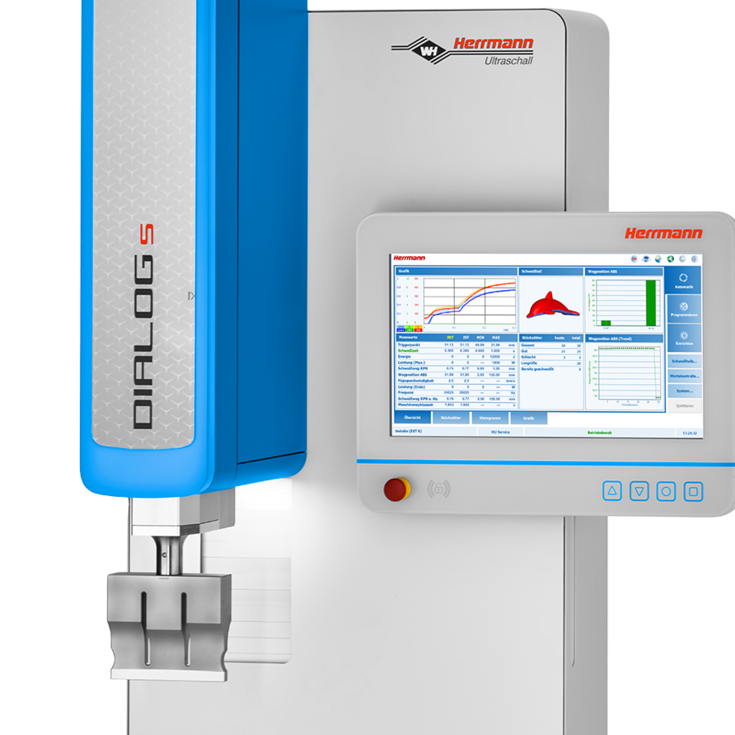
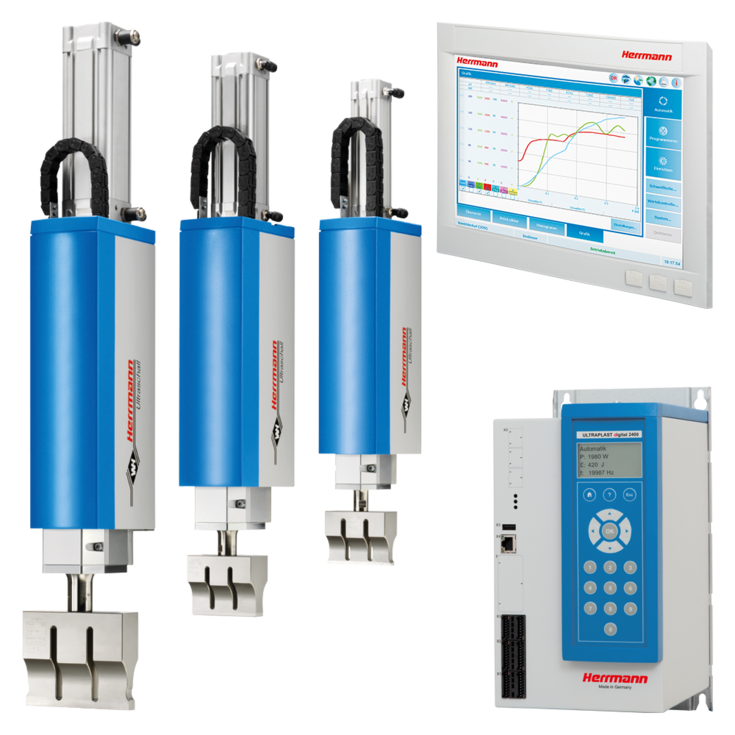
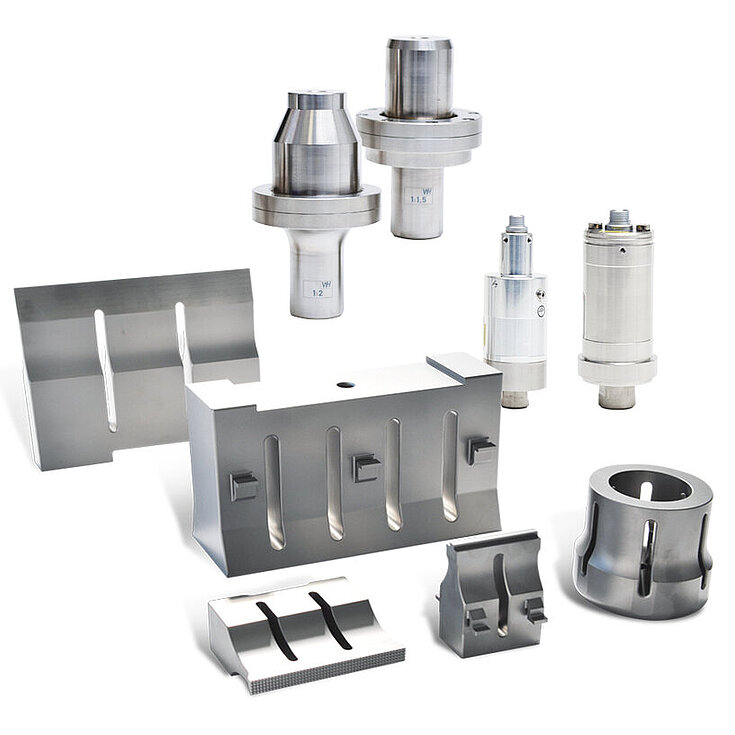
Our consulting services: From product design to integration
Whether you are developing a prototype, planning a production project, or optimizing a process, our experts help you select the right ultrasonic process and work with you to develop the right welding solution for your application.